

The 10 Biggest Mistakes Families Make When a Parent Falls
By Kay’s Home Care – Supporting Families Through Life’s Unexpected Moments
A fall is one of the most common and frightening events in later life. Every year, one in four adults over 65 falls, and for families, that first fall often triggers panic, guilt, and rushed decisions. At Kays Home Care, we’ve walked alongside families after a parent’s fall, and we’ve seen the same preventable mistakes repeated again and again.
Here are the 10 biggest mistakes families make — and how to avoid them.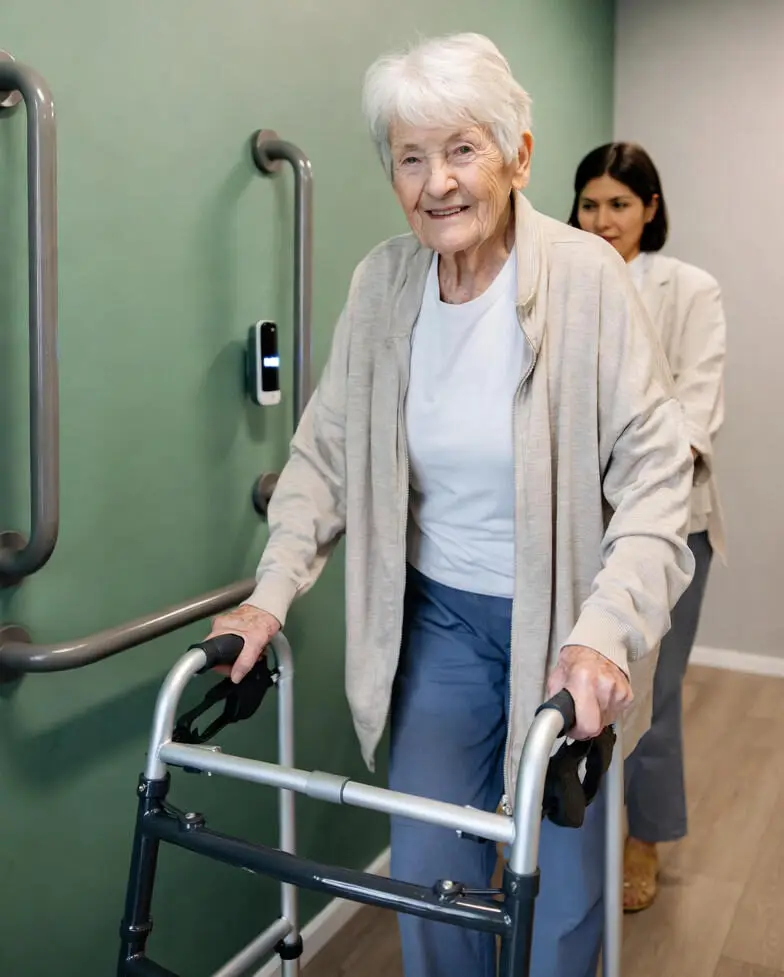
- Assuming “They’re fine” because they didn’t break anything No visible fracture doesn’t mean no harm. Up to 50% of older adults who fall experience a significant fear of falling again, even if they “walked away.” This fear leads to reduced activity, muscle loss, depression, and ironically — more falls. Treat every fall as a red flag, not a lucky escape.
- Waiting for a second fall before acting The single strongest predictor of future falls is… having already fallen once. After the first fall, the risk doubles. Don’t wait for a broken hip to take action.
- Blaming the rug, the cat, or the slippers instead of addressing the real cause Yes, scatter rugs are hazardous, but falls are usually multifactorial: poor vision, low blood pressure on standing, new medications, weakness, balance issues, vitamin D deficiency, or foot problems. Removing the rug is easy; ignoring the medical causes is dangerous.
- Letting Mom or Dad refuse help because “I don’t want to be a burden” Guilt and pride are powerful. Many parents would rather risk another fall than “trouble” their children. Gently remind them that the real burden is the midnight ambulance ride and weeks in rehab after a hip fracture.
- Rushing to move them into assisted living after one fall A single fall does not automatically mean someone needs to leave their home. With the right interventions — physical therapy, medication review, grab bars, and a few hours of home care — most people can safely remain at home for years longer.
- Not telling the doctor about the fall (or the doctor not asking the right questions) Only about 30–50% of falls are reported to healthcare providers. Many doctors still don’t routinely screen for fall risk. Bring it up yourself: “My mother fell last week — what tests or referrals should we do?”
- Accepting “slowing down” as normal aging instead of treating it as a medical problem Slow walking speed and difficulty rising from a chair are two of the strongest predictors of future falls — and both are treatable with the right strength and balance program.
- Buying a walker or cane without professional fitting and training An improperly fitted mobility aid can increase fall risk. Occupational and physical therapists should assess and teach proper use. A walker that’s too low forces stooped posture and actually makes people less stable.
- Over-relying on emergency call buttons alone Medical alert buttons are wonderful, but 80% of wearers do not have it on when they fall (often in the bathroom or at night). Combine wearable tech with daily check-ins, motion sensors, or scheduled home-care visits for true peace of mind.
- Trying to do everything yourselves Adult children often burn out trying to be 24/7 caregivers while holding down jobs and raising their own families. Accepting help — whether from siblings, professional caregivers, or community services — is not failure; it’s smart, sustainable planning.
The bottom line
A fall is not just a mishap — it’s a warning light on the dashboard of your parent’s health. Responding calmly and systematically can prevent the next, more serious fall and help your parent keep their independence and dignity.
If your family is navigating life after a fall, you don’t have to figure it out alone. Kay’s Home Care specializes in post-fall recovery support — from medication reminders to safety-proofing the home and providing companion care that restores confidence.
Contact us today for a Free In-home Fall Risk Assessment. Because the best time to prevent the next fall is right now.
Kays Home Care – Keeping families together, safely at home. Call us at Call our 24-hour service line at (336) 800-9034 / (336) 225-3832 or visit www.khc.agency
